
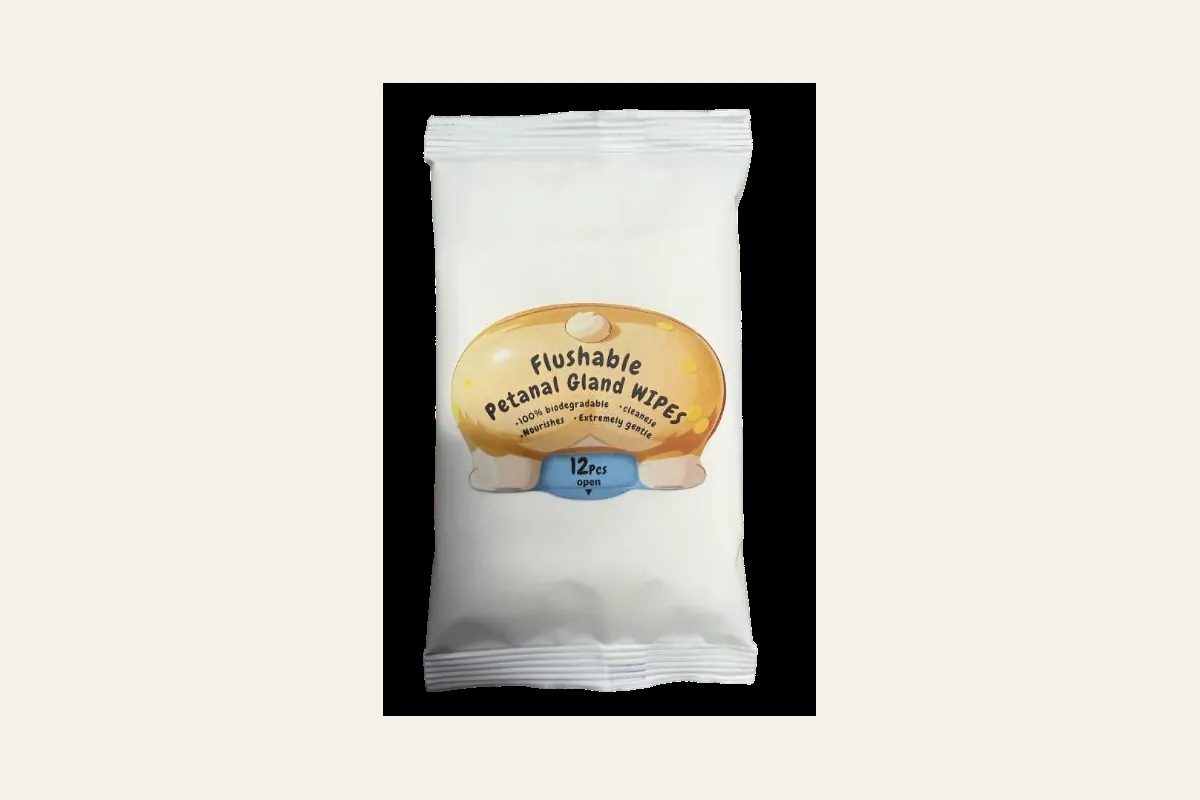
Flushable claims sell, and they invite scrutiny. In most developed markets a wipe labelled flushable is expected to break apart in water, pass through plumbing, and not survive as plastic waste. Pet wipes, like baby wipes, get pulled into that expectation — and retailers increasingly ask what is behind the word before they list the SKU.
The material decides, not the label
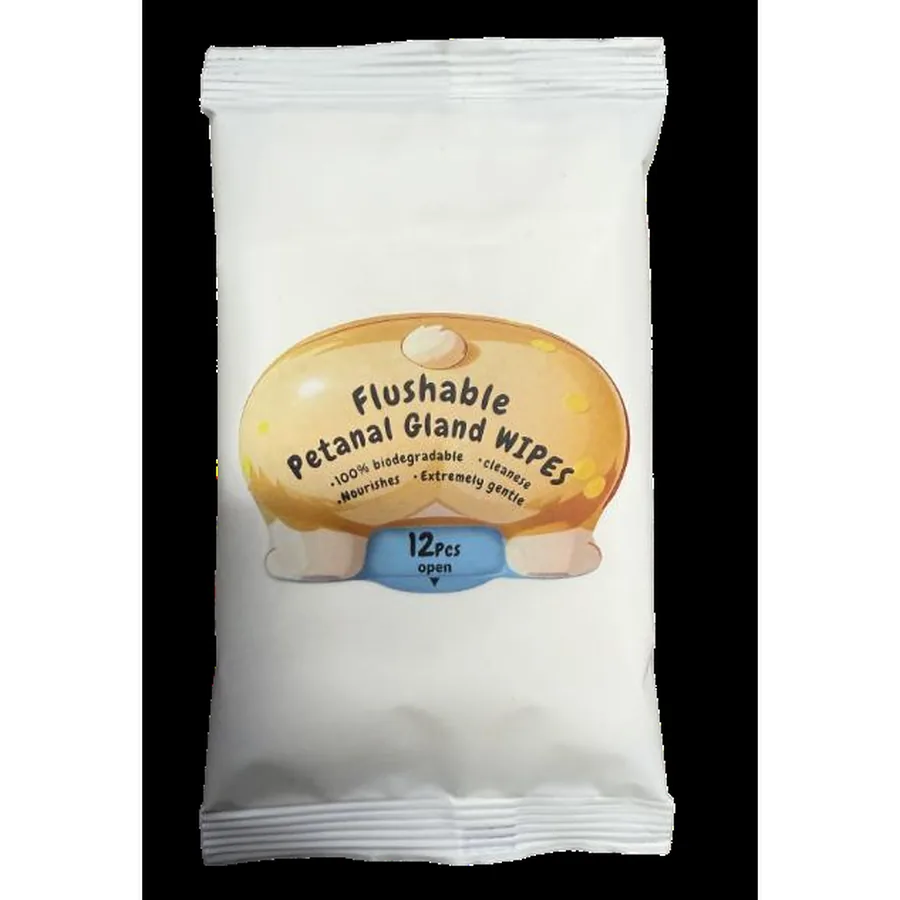
A wipe that flushes safely is made from dispersible fibres — wood pulp, viscose — rather than the plastic spunlace used in standard cleaning wipes. The 12-piece bottom wipes on this site state 100% biodegradable on the pack, which is a material claim you can check: ask for the fibre composition in writing before committing to the SKU.
What buyers should ask the factory
- Which flushability protocol the wipe is tested against, and who ran the test
- The fibre composition sheet, in writing, before the order
- Whether the claim on the pack matches the target market's own rules — some retailers accept flushable, others list biodegradable only
- Wet strength: a wipe that disperses in the pipe must still hold together in the pack and in the hand
Where the SKU fits
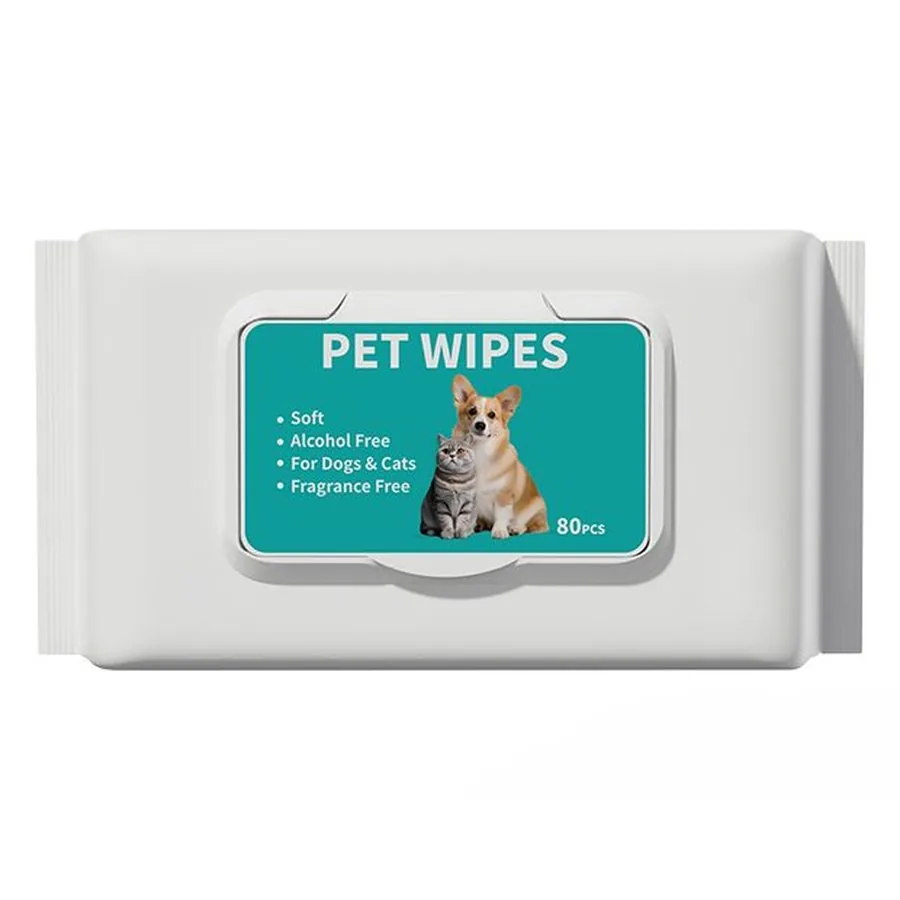
The 12-piece flushable bottom wipe is a low-price, high-frequency item — the kind that works as a shelf filler near the register or as an add-on in a bundle. It sits next to the 80-piece body wipes rather than replacing them: one serves the disposal-sensitive customer, the other the daily routine.
The version on this site: 14 × 19 cm sheet, 12 pieces per resealable pack, 230 packs per export carton, minimum order 5,000 finished units. Sample it against your market's rules before ordering — the pack claim and the fibre sheet travel with the quotation.
Products in this note
Pack claims quoted in this note come from the product packaging. Trade terms — MOQ, lead time, samples — are confirmed per order.