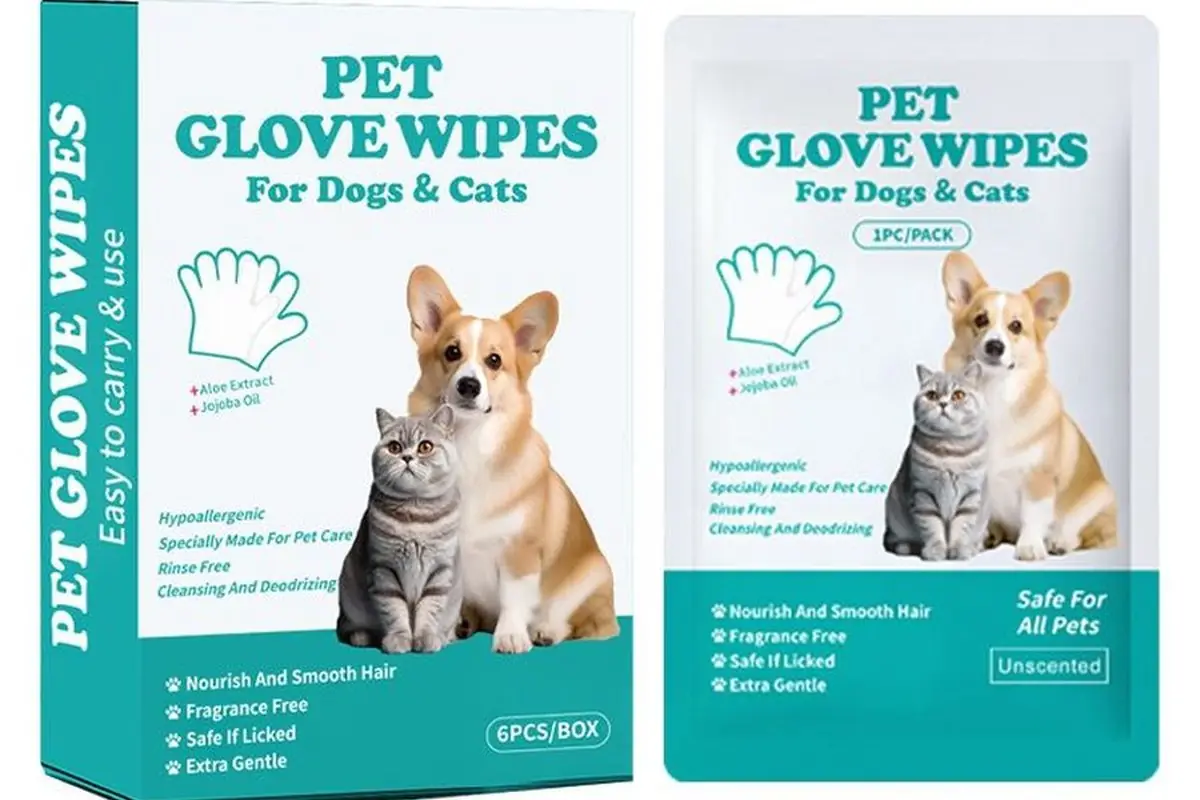
Most first orders from a new supplier are easiest in neutral packaging: the pack design already exists, no artwork approval is needed, and the goods can go into production as soon as the price and carton spec are agreed. Knowing where private label starts to pay off — and what it really costs — saves both money and arguments.
What stays the same
The formula, the converting line, the filling line and the quality checks do not change between neutral and private label. If a factory tells you the product itself will be different under your brand, ask why, in writing.
What changes
- Artwork: your label files replace the neutral artwork, and someone has to check that the legally required panel — ingredients, count, origin — is present and legible.
- Print plates and tooling: new label layouts usually mean new plates, a one-off cost per design, not per order.
- Approval loop: you see and approve a printed sample or proof before the run. Every round of artwork changes costs days.
- Responsibility: under your brand, a misprint is your problem with your customers, which is why the proofing step is not optional.
Where the money goes
The private-label premium is mostly fixed cost — plates, proofing, the first slower run — spread over your first orders. From the second reorder onwards the difference per unit is usually small. The real cost driver is the minimum: a custom label run ties up a converting line for a full batch, so expect the minimum order to sit above the neutral-pack minimum.
A practical route
Start one or two lines in neutral stock to test the market, run your own label design work in parallel, and switch the items that sell. You keep sellable stock the whole way through, and the factory keeps a line it already knows.
Pack claims quoted in this note come from the product packaging. Trade terms — MOQ, lead time, samples — are confirmed per order.